Yes, this was a Wee Mailing List post intended for Christmas time, no I’ve not gone insane by posting it now. I think the Christmas mood shouldn’t be confined to just the month of December. We should carry it all the year. Remember to sign up to the Wee Mailing List if you haven’t already, for more content like this nonsense below.
Wee Lassie’s Top Five Netflix Christmas Flicks
5. The Princess Switch 3: Romancing The Star
This film is far better written, acted, and just all around done than it has any right to be. The third in the Princess Switch trilogy, ‘Romancing the Star’ tells the story of love, loss, and the mysterious disappearance of a precious jewel. Truthfully I’m making it sound a lot deeper than it really is – but it’s a lot of fun.
4. The Holiday Calendar
A beautiful film, that shows us the power of not only believing in the magic in our lives, but understanding it as well. Basically, you might belive that your magical advent calendar is real, but that doesn’t mean you’ll always understand what it’s trying to tell you.
3. Single All the Way
A fun, LGBTQ Christmas Romance – that proves when it comes to falling in love, gay people can be just as frustrating as straight people. Come on you two idiots, kiss already!!
2. A Castle For Christmas
A writer, A Castle, Scottish nobility – and two grumpy people reluctantly falling in love. What more could you want this holiday season?
1. Klaus
My Good Scottish God – there are no words to properly describe this film, other than you will cry. My, oh my, how you will cry.If you’ve enjoyed this short and sweet Christmas list of mine, why not check out the original post, here. And follow the Wee Blog if you haven’t already. Also check me out on Twitter, Instagram, Facebook,Goodreads, Pinterest, Tumblr and Kofi. Until next time Wee Subscribers, keep warm and have a very bonny Holiday.
Ever wonder what went wrong with the Star Wars Sequel Trilogy? What a similar story might look like if done right? Then take a look at this in-depth analyst of the danger of a nostalgic writer vs. the power of a nostalgic character.
A deeper examination of political topics, particularly divisive topics, in media – and how mishandling of such things, and just general bad writing can transform subjects from deep and meaningful – as they no doubt were in the creator’s mind – to propaganda. What I liked particularly about this video was that it wasn’t trying to make a particular political argument itself, but just stating the outcome of genuine lazy writing on any kind of political topic.
8. Why the Music in Les Misérables (2012) is Worse than you Thought
I genuinely love the videos of this channel, and the fascinating insight into the production , and eventual outcome, of making beautiful musical they offer – so it was difficult to choose just one video of this channel to put on this list. Eventual I chose the Les Mis video, not only because it was the first one I ever watched, but because it offers some horrific insight into why this bad film was even worse than we originally thought.
A deep delve into the symbolism of the three secondary antagonists in the star wars prequel trilogy – and how each reflects a side of the man, of the villain, that our hero will eventual become.
6. The Case for Disney’s The Hunchback of Notre Dame
Do you enjoy the ending to Disney’s The Hunchback of Notre-dame? Are you tired of people whining that the best character in the film didn’t die? And acting like this is somehow a bad thing? Well, this is the video for you then.
5. The Complicity of Geek Masculinity on the Big Bang Theory
Feel uncomfortable with both the blatant and subtle sexism shown in both the Big Bang Theory as a show and Geek culture in general, well this…is the follow up to that video.
4. Eat the Rich! Stories About the Wealthy, Explained
Rather like Sideways, The Take has just so many interesting, and thought provoking video essays that it was very difficult to pick just the one for this list. Ultimately I settled on the essay entitled ‘Eat the Rich’ – not only because of its fascinating argument and insights but because, unlike every other video on this list – it actually ties back into my original post, which you can read here.
3. Isaac Asimov, Game of Thrones: How to Write Sociological Stories
Every want to know the difference between Psychological and Sociological storytelling? Ever want to know how Asimov was a master at the latter? Well this is the video for you.
In this time of more and more creators, actors, and basically everyone who’s ever been involved in the entertainment industustrie turning out to be terrible, garbage in human form – it’s about time we talk about the death of the author theory. Don’t know what that is, you will after you watch this video.
1. The Best Moment In ‘Spirited Away’ Is A Scene Where Nothing Happens | 10 Minutes Of Perfection
And finally my favorite video essay, is from a creator I know next to nothing about, and whose’ other videos I haven’t seen. But it’s just such a good video, I highly recommend that if you watch just one video on this list – you watch this one. I’m not even going to tell you what it’s about, just take my word for it – this is fantastic.
If you’ve enjoyed this wee list of mine don’t forget to check out the original post, back on the Wee writing Lassie blog. Also look for me on Twitter, Instagram, Pinterest, Tumblr, Facebook, GoodReads, and Kofi. Until next time Wee Subscribers, stay safe, stay alert, and have a very bonny day.
The Top 7 Shows the Wee Writing Lassie binge-watched during the apocalypse
7. Jupiter’s Legacy
This isn’t a bad show by any stretch of the word; it has an interesting premise, good acting, dynamic if not actually likable characters and a mystery that seem genuinely strange and difficult to figure out. I watched most of it in a couple of days just because I wanted to know how it was gonna end – that’s an intriguing mystery. Really the only reason it’s last on the list is just a personal gripe for me – namely the character they reveal is the one behind it all, the main jerk of the season, is the only character I really liked and connected to. So yeah, it’s as simple as that – but still it upset me enough that I probably will not continue watching even if this thing gets a season 2. Though I would recommend, if nothing for that build up – and the pay-off itself is really not bad at all, there were plenty of clues to it hidden throughout the rest of the show, it just wasn’t something I personally enjoyed all that much.
6. Angel
I first watched Angel, my god it has to be over ten years ago because I was very much a kid back then – and I never really watched it all the way through since. Not only because the only way we had to watch Angel for a long time was our collection of slightly confusingly organized DVDs (that may or may not have been pirated till this day I’m still somewhat confused by that); but because, and I say this with all affection, it’s a very dark show. Honestly if you’re planning on binging this show, I recommending watching something funny in conjunction with it, for your own mental health if nothing else.
Thus, it was a very different experiencing watching this compared to say something like Buffy, which I know so well I literally find myself quoting it accidently. So just off the bat, I may be a very biased source but Angel is not as good as Buffy. But saying that it’s by no means a bad show, in fact for the first two seasons, I was blown away but just how good a show it was. It was really fascinating to see just how much fun and inventive ideas you could play around with in the Buffyverse without having to always tie it to an allegory. You want to have Angel meet a thief with electric powers, sure why not; cut up a giant off screen monster – cool, sounds fun. Not that it doesn’t have Allegory in a lot of its monsters, it does, but it’s not a show built around them – unlike Buffy which had so many allegories that it became somewhat confusing exactly what they were allegories for. I mean is magic an allegory for Willow’s exploration of her newfound sexuality, or one for drug addiction? Both are fine, but you do have to pick one and stick to it. Otherwise…yikes.
But getting back on topic, yes Angel is a good show; but one that I would say has some persistent flaws that hold it back from being quite the equal of its parent show. In particular it seems to have a lot of characters or ideas that were really interesting, but either never goes anywhere with them, or criminally underuses them. For instance, take Gunn’s gang – a group of street kids that had starting fighting vampires to protect their neighborhood. Wow what an interesting idea, that completely uses the setting of L.A. and explores the realities of a world like the Buffyverse even better than the original show. There’s no superhero slayer that would protect these kids, so they took up the stake themselves. What we gonna do with them? Well, outside of their first appearance they show up as minor supporting characters in a couple of episodes, they need help from some Zombie cops in another, and finally they’re used as a cautionary tale for the prejudice that humans can develop towards demons. So background characters, save for one or two episodes where they need the mainly white (except for Gunn, but then even he’s portrayed as wrong in most of his interactions with the other main cast so make of that what you will) main cast. Yep, that feels like an idea that was fully utilized – nothing left to say here. Okay so this part is running a little longer than I planned so I’ll just end on a brief run down of the seasons of Angel to give you a kind of idea of what you’ll get with each season.
Season 1 – An excellent season of television
Season 2 – Also excellent, but we’re beginning to see the start of the series storyline that preserves for the next two seasons to come. So, if that’s not your thing, just a head’s up this is where it starts.
Season 3 – Still very good, but we’re beginning to see those flaws I talked about manifest in more series ways, that objectively affect the quality of the writing.
Season 4 – I won’t say this is the worst season, since season 3 had some objectively stupider writing fumbles, but it is by far the meanest of the seasons of Angel.
Season 5 – By far my favorite, and the most fun of the seasons. It gets a lot of flak, but honestly, I think it’s just a fun ride all throughout.
5. BoJack Horseman
BoJack Horseman is a liar. It lures you in with its bright colors, talking animals, and the fact that it’s listed as a comedy in Netflix and then it hits you full in the face with the fact that it’s not really a comedy at all, it is a tragedy with funny bits. In all honesty if you are in anyway feeling depressed or just vaguely down at all do not watch this show. Or at the very least do not watch this show by itself, I’ll give you the same advice I gave for Angel, pair it with an objectively funny show for the purposes of binging.
Having said that this also just a really good, very engaging show. Like when I was watching it, I was aware that there were other things I needed to do in the day, but like I really just needed to know what happens next. Just a really good show, with such deep and complex characters, that didn’t feel the need to give satisfying answers to all its question or at least that’s how I felt. Everything everybody else has said about it, is completely true – it is just a fantastically made piece of television. Also, fun fact, for those of you not in the know, one of the characters is played by Aaron Paul, who improves everything he’s in, even if it starts out good already it will just be made even better by the inclusion of Aaron Paul – so that’s fun.
4. Crazy Ex-Girlfriend
Crazy Ex-Girlfriend is a show about successful lawyer, Rebecca Bunch (pictured above sitting on a piano in a pink dress) – who after meeting her ex-boyfriend in the street once, decides to completely up-end her life and move to his hometown of West Covina, California to win him back. It is a show about bad decisions, poor mental health and coping strategies; and what can happen when those two forces come together and conspire. Oh, and it’s also a musical. It is a fantastic show whose story and characters only grew better and more complex the longer they were on screen.
If I did have one criticism, it would be the slightly unbelievable devotion all of Rebecca’s former love interests still hold for her. Especially considering, well everything she’s done to each of them by the time of the final. I wouldn’t mind too much if it were a traditional Rom-com esc, show – as those don’t always take the time to examine the morality of their protagonists’ actions. However, ‘Crazy Ex-girlfriend’ wasn’t that, and characters bad behavior would usually be examined through (most of the time through song and dance number). So, it comes off feeling slightly false to still have all these men falling over themselves to be with Rebecca Bunch, despite all the turmoil being in a relationship with her in the past has put her through. Really it makes me like her less.
Still, other than that I’d highly recommend it.
3. How I met your mother
Yep, if you’ve read the original post in the Wee blog, you knew it was only a matter of time until this show, well…showed up on this list. I go into the specifics of this show, as well as my own outlandish theories on the original post so I’ll keep this as brief as I can get. All I say is this is that whatever else you might say or complain about it, that this is a very funny show. Seriously I have only laughed harder at one other show in this list – but more about that later. And while it does have its genuine heart-breaking moments, that I promise you will make you cry – unlike a show like BoJack Horseman this is a show that knows exactly what it is, and tells you that upfront – a comedy. Binge it by itself, or pair it with a much more miserable show, either way your bound to have a blast.
2. Buffy the Vampire Slayer
Buffy the Vampire is fantastic. Yeah, it may be twenty-five years later, but the show about the tiny blond who kicked vampire booty still for the most part holds up. Whether it’s the inventive dialog, the dramatic storylines, the acting, the writing, the feminist messages, the humour, or heck even just some of the goofiness of the effects this is a program well worth the binge. Although for honesty’s sake I will say that there are a couple of problems with it. The first being just how monolithically white the cast is – I mean there is no reason that a town in California should be this white. And it’s not just a weird nineties thing, where yeah the main cast is all white but maybe there are people of colour off screen or in the background. No, it’s stated in story that Sunnydale is a predominantly white town – using the old writer’s trick of ‘if we acknowledge the problem, we don’t actually have to fix it’. Really the only way this is made slightly less cringe is if this is all because of the Hellmouth. Like either white people are so dumb they don’t notice the evil among them, or they just are the evil. Honestly at this point either is as likely as the other – and I say that as a white person myself. But joking aside, the sensible part of me knows this is just pandering to Joss Whedon’s by now very publicized racism.
And the second issue is honestly less of problem, but it still can make some of the story elements a little confusing. Namely what I mentioned in the Angel section, the shows over reliance on allegories. Now its original premise was ‘High school is Hell; so, allegory was always going to be a big part of what Btvs was – that’s not the problem. The problem is when the allegory is given more importance than the actual facts of the story. For instance, in season six where after (spoilers) coming back from the dead, Buffy finds that her finances are in disarray. [Mainly because she has terrible friends, who despite two of them living in her house and one of them having a well-paid job, spent all her money.] But before her and Giles can start sorting everything out, she gets a call from Angel and runs off to go and see him.
Of course, she’s back the very next episode where she’s confronted by a concerned Scooby Gang. And for a moment it looks like they’re going to talk to her about running off like that the previous episode; but our brave slayer cuts them off, with the revelation that she’s developed a plan on how to manage those bills. It’s not necessarily a long-term plan, but it’s clearly been well thought out, and with the help of her friends she can iron out the rough patches. So, everything should be better, right? Nope, because apparently, they weren’t here to help her with the bills, they were here to shame her because she doesn’t have a plan for her life. At 21, after just coming back from the dead. The Allegory in season 6 is depression, and you can see that the Scoobies are meant to represent the well-meaning friends and family who put pressure on the depressed person to get their life together, without understanding how much harder doing even simple things is for them. But the difference here is, the Scoobies know she just came back from the dead. And even if that weren’t the case, Buffy has a life plan – she’s the Slayer. I’m running long again so I’ll just run down the seven seasons and give you my brief thoughts.
Season 1 – The weakest of all the seasons, they were still finding themselves.
Season 2 – A good dramatic season of television, with extra props for introducing Spike and Drusilla. Although the Angelus plotline hasn’t aged all that well.
Season 3 – Some of the best stand-alone episodes of the series, with an ambitious if slightly confusing main storyline.
Season 4 – Terribly underrated. Although I do take points off for introducing the world to Riley Finn. Shame! Shame! Shame!
Season 5 – The best plotted of the seasons; and a really fun bad guy.
Season 6 – Talk about under-rated – it delved into very deep subject matter (not all of which it was prepared to handle). But overall, what makes season six one of my favorite seasons is the musical episode.
Season 7 – Just the perfect end, with the balls to say that the exceptional woman trope that the line ‘in every generation a slayer is born, one girl in all the world to fight the demons’ is kind of sexist and maybe we shouldn’t do that anymore. Talk about going out on a high note.
1. Jeeves & Wooster
Jeeves & Wooster is the only show I’ve laughed harder at that How I Met your Mother. Set in the twenties, Jeeves &Wooster tells the story of rich bachelor Bertie Wooster (played by Hugh Laurie, pictured above standing) and his genius valet Jeeves (Played by Stephan Fry, pictured above sitting); and the hilarious and strangely peculiar hijinks they get themselves into. Or Bertie gets himself into and Jeeves gets him out. It’s a surprisingly uplifting show, especially for this time of deep existential thoughts while we slowly settle back into a world that expects us to actually talk to people. Sometimes we just want to laugh at the stupid antics of rich young gentlemen, who haven’t yet experienced the great depression. Now for honesty’s sake I should say that once again this is a show that was set in the twenties and it was released in the nineties – so not everything in it has aged terribly well. I might recommend skipping the episode ‘Kidnapped’ entirely as the Drones club (the idiots Bertie has to save from their own stupidity half the time) dress up in blackface. It’s a practice derided by the episode, and every character who wears it ends up in prison by the end for one reason or another, but they do it on screen so it can be pretty uncomfortable to watch. But all the other episodes have aged incredibly well, and since they’re based on the Jeeves short stories of P.G. Wodehouse, most of the episodes are their own self-contained stories. So, missing one won’t spoil your enjoyment of the rest.
So, sit back and enjoy the smart writing, clever dialogue, and the slow creeping feeling of shock as you come to the realisation: ‘Oh my God, is Stephen Fry hot?’. Yes, dear subscribers, yes, he is.
If you’ve enjoyed this wee list of mine don’t forget to check out the original post here, and follow the Wee Blog if you haven’t already. Also check me out on Twitter, Instagram, Pinterest, Goodreads and Tumblr for all that good stuff. And if you would like to support the wee blog, why not buy me a wee coffee on Ko-fi. Until next time Wee Subscribers, stay safe, stay awake and have a very bonny day.
What ho wee readers well I’m back with the next installment of the Wee Archive: this one from the far off year of 2020, deep in the heart of lockdown.
What Ho Wee Subscribers, and welcome to the second email on the Wee Mailing List. Well, quite a lot has happened since my last email hasn’t it – sometimes it feels like the whole world has either gone insane, or is reenacting the last chapter of a very strange Stephen King novel.
Even up here in the wind swept hills of the north of Scotland, we’ve not been able to escape the sad case of the Covid19 panic.
We’ve been quarantined and shut up in Lockdown.
Political figures we once hailed as heroic, seem to have lost their color.
And the rumor’s going round now that we’re heading into a food shortage, so that will be fun.
Still this is hardly the first pandemic we, as a global community, have faced and they’ve never stopped us before – why should this one be any different?
Yet, I can’t begin to describe, how much I’m looking forward to Christmas, when hopefully this will all be over.
If you’ve enjoyed this strange set of photos from the Wee Archives, don’t forget to check out the Wee Blog itself. I especially recommend having a look through the Coronavirus tag, and watch as my patience with this situation gradually deteriorates. Also check me out on Twitter, Facebook, Goodreads, Tumblr,Instagram and Pinterest for all that good stuff. So until next time my Wee Subscribers, get lots of sun and have a very bonny day.
If you’ve enjoyed this now very dated excuse to show off the pictures I hadn’t put up on Instagram – seriously this seemed far more coherent when I first released it, go easy on me I was still getting the hang of mailchimp – why not sign up for the Wee Mailing List for far more competently composed newsletters. Also why not follow the Wee blog if you haven’t already, and follow me on Instagram, Twitter, Pinterest, Tumblr,TikTok, Facebook and GoodReads for all the good stuff. Until next time Wee Readers, stay safe, stay sane, and have a very bonny day.
What ho, wee readers, yes I’m back – not dead, just suffering from a bit of Blogger’s block. For the longest time I could not figure out what I wanted to write about next. I mean usually it’s a tv series I’ve been binging after work – at least lately – but I’ve sort of moved away from those in favour of films. And while I could do a list of those, ranking the top ten – and I may yet in the future – I had a better idea for a post to break my writer’s block.
A while back – after the terrible storm Arwen – we lost power for an entire day. And this was back in December, so it was dark and cold and most of our phones had not been well charged beforehand. During the light hours of the day this was manageable – we had books ( for entertainment), a fire (for warmth), and a gas cooker (for cooking). Really we were all set. But remember this was Scottish winter, and there really wasn’t a lot of light hours in the day at all. Which left large chunks of the afternoon and evening shrouded in darkness. We still had the fire and the cooker, so we were a lot better off than most people – but that still left us swimming in our own boredom.
The only device that still had some power in our house, was my Mum’s iPad. No internet of course, but she had the books in her kindle library, but only one person at a time could read them. Looking back now we could have read them out to each other, but hindsight is twenty twenty. But to cut a long story short we didn’t have to, for we found an audiobook already downloaded. Wow, that was a slightly long-winded and first world whining way to tell you my family’s started listening to an audiobook after dinner each night. Oh well, we got there eventually.
By now we’ve listened to too many audiobooks to possibly list them all here, so instead this will be a list of our top ten audiobooks. We will take into account strength in story, narration, production, and all round enjoyment. Rounding up each to a score out of ten. But since I’ll be polling my family members we might end up as slightly more than that – a perfect score should be 30 out of 30.
Let’s begin.
10. Northanger Abbey
One of Jane Austen’s earliest books. In theory it’s a bit of a parody of gothic literature of the time – with the main heroine convinced some heinous plan is a foot in the house she’s staying at. Which would be fine, if that was the main action of the story – instead we spend half our time in Bath, at diff balls and gatherings and the whole thing feels like it’s just running in place until she gets the invite to visit Northanger Abbey. It’s bad people, it’s really bad.
My Brother’s Scores
Story: 0.5/3
Narration: 3/3
Production: 2/3
Overall enjoyment: 0.5/1
Final Score: 6
Additional Notes: I can see why the publishers of the time refused to publish.
My Mum’s Scores
Story: 1/3
Narration: 3/3
Production: 2/3
Overall enjoyment: 0/1
Final Score: 6
My Scores
Story: 0/3
Narration: 3/3
Production: 1/3
Overall enjoyment:0/1
Final Score: 4
High Score: 16/30
9. The Mermaid’s Sister
A fun story, with a clever fairy tail energy to it.
My Brother’s Scores
Story: 2.5/3
Narration: 3/3
Production: 3/3
Overall enjoyment: 0.97/1
Final Score: 9.47
Additional Notes: It lost points due to violence. I liked the supernatural elements and the romance.
My Mum’s Scores
Story: 2/3
Narration: 2/3
Production: 2/3
Overall enjoyment: 1/1
Final Score: 7
My Scores
Story: 2/3
Narration: 2/3
Production: 2/3
Overall enjoyment: 1/1
Final Score: 7
High Score: 23.47 / 30
8. Station Eleven
A fascinating take on the post-apocalyptic genre, emphasizing the importance of art on people’s lives no matter what age you’re living in. As the book itself says ‘Survival is not enough.’
My Brother’s Scores
Story: 2/3
Narration: 3/3
Production: 3/3
Overall enjoyment: 1/1
Final Score: 9
My Mum’s Scores
Story: 2/3
Narration: 2/3
Production: 3/3
Overall enjoyment: 1/1
Final Score: 8
My Scores
Story: 3/3
Narration: 3/3
Production: 3/3
Overall enjoyment: 1/1
Final Score: 10
Additional Notes: Wow. Very well written, but heartbreakingly sad at certain parts.
High Score: 27/30
7. Grown Ups
A solid addition to the Marian Keyes Bibliography – telling the story of a very large and slightly dysfunctional family, and all the heartbreak and hijinks that go on in their lives. My only criticism – if you can really call it one – is that because there are so many characters, the opening scene at the family dinner is going to leave you a little confused, and trying to desperately remember all their names and who the heck they are. It does revisit that same scene again at the end, after an entire book getting to know these people, so I’m guessing that initial confusion was an intended reaction.
My Brother’s Scores
Story: 2/3
Narration: 3/3
Production: 3/3
Overall enjoyment: 1/1
Final Score: 9
Additional Notes: I liked the inclusion of a Syrian immigrant (Perla), even if she only had a minor role. It’s also good that it calls attention to abuse. It would have got a ‘3/3’ for story, if Nell and Ferdia had got a happy ending (I’m a hopeless romantic). It would also have been nice, if Mum was able to listen it with us.
My Mum’s Scores
Story: 2/3
Narration: 3/3
Production: 3/3
Overall enjoyment: 1/1
Final Score: 9
My Scores
Story: 2/3
Narration: 3/3
Production: 3/3
Overall enjoyment: 1/1
Final Score: 9
High Score: 27 / 30
6. Room
This is a Fantastic Book, stop reading this post – or rather pause reading this post – and go out and buy this book now. (Or search your library) Either way, find this book, and read it. Go ahead, we’ll all wait for you.
My Brother’s Scores
Story: 3/3
Narration: 3/3
Production: 3/3
Overall enjoyment: 1/1
Final Score: 10
Additional Notes: I liked the innocence of the child narrator.
My Mum’s Scores
Story: 3/3
Narration: 2/3
Production: 2/3
Overall enjoyment: 1/1
Final Score: 8
Additional Notes: Needed more than one male voice – all the men sounded like ‘Old Nick’ to me.
My Scores
Story: 3/3
Narration: 3/3
Production: 2/3
Overall enjoyment: 1/1
Final Score: 9
Additional Notes: Behold my new favorite book 🙂
High Score: 27 / 30
5. Rachel’s Holiday
I wouldn’t go out of my way to say that ‘Rachel’s Holiday’ is a better book than ‘Gown Ups’ – Marian Keyes’ other book on this list – because they’re very different books, about different topics. So in the end all I’ll say is, there is a reason that this is higher on the list.
My Brother’s Scores
Story: 2.9/3
Narration: 3/3
Production:3/3
Overall enjoyment: 1/1
Final Score: 9.9
Additional Notes: I liked how it addressed the issue of addiction.
My Mum’s Scores
Story: 3/3
Narration: 3/3
Production: 3/3
Overall enjoyment: 1/1
Final Score: 10
My Scores
Story: 3/3
Narration: 3/3
Production: 1/3
Overall enjoyment: 1/1
Final Score: 8
High Score: 27.9 / 30
4. The Hundred Secret Senses
I can’t say why – because spoilers – but this book moved me to tears.
My Brother’s Scores
Story: 2/3
Narration: 3/3
Production: 3/3
Overall enjoyment: 0.97 / 1
Final Score: 8.97
My Mum’s Scores
Story: 3/3
Narration: 3/3
Production: 3/3
Overall enjoyment: 1/1
Final Score: 10
My Scores
Story: 3/3
Narration: 2/3
Production: 3/3
Overall enjoyment: 1/1
Final Score: 9
High Score: 27.97 / 30
3. Am I Normal yet?
Myself, and many of the members of my family have OCD tendencies – nothing like what this girl has of course, but still – so I felt greatly moved by this book.
My Brother’s Scores
Story: 2.9 / 3
Narration: 3/3
Production: 3/3
Overall enjoyment: 2.9/3
Final Score: 11.8
Additional Notes: I enjoyed the sweet romance and empathized with Evie’s condition.
My Mum’s Scores
Story: 2/3
Narration: 2/3
Production: 3/3
Overall enjoyment: 1/1
Final Score: 8
My Scores
Story: 3/3
Narration: 3/3
Production: 2/3
Overall enjoyment: 1/1
Final Score: 9
High Score: 28.8 / 30
2. Piranesi
This is my favorite book. Go out and read it now.
My Brother’s Scores
Story: 2.7/ 3
Narration: 3/3
Production: 3/3
Overall enjoyment: 0.99/1
Final Score: 9.69
Additional Notes: It lost points due to overall slow pace at the start. I liked the mystery and the existence of different universes.
My Mum’s Scores
Story: 2/3
Narration: 3/3
Production: 3/3
Overall enjoyment: 1/1
Final Score: 9
My Scores
Story: 3/3
Narration: 3/3
Production: 3/3
Overall enjoyment: 1/1
Final Score: 10
Additional Notes: This book was an experience – but I can’t really tell you about it, without taking that experience away from you. So go out and buy this book now, and don’t look to the end, just enjoy the journey getting there😁
High Score: 28.69 / 30
1. Longbourn
Basically this was Pride & Prejudice told from the servants’ point of view. This was a very good book, adding historical context which the original story – as good as it is – didn’t really have.
My Brother’s Scores
Story: 2.9 / 3
Narration: 3/3
Production: 3/3
Overall enjoyment: 2.9 / 1
Final Score: 11.8
Additional Notes: I like the alternative perspective on the Bennetts, Bingley owning slaves was intriguing and makes sense. I liked the sympathetic depiction of the lower classes.
My Mum’s Scores
Story: 3/3
Narration: 3/3
Production: 3/3
Overall enjoyment: 1/1
Final Score: 10
My Scores
Story: 3/3
Narration: 3/3
Production: 3/3
Overall enjoyment: 1/1
Final Score: 10
Additional Notes:
I loved this book. It’s one of the few, if only, retellings of Pride & Prejudice in which you leave liking Mr. Collins far more than Elizabeth Bennet.
High Score: 31.8 / 30
If you enjoyed this long delayed post of mine, why not follow the Wee blog if you haven’t already. Also check me out on Pinterest, Instagram, Twitter, Tumblr, Goodreads, Facebook and Kofi for the good stuff. Also sign up for the Wee Mailing list before the 31st of July to find out what Audiobook we’re currently listening to. Until next time, Wee Readers, stay safe, stay sane, and most of all have a very Bonny day.
What How Wee Readers – well I hope you all had a good holiday time in december – and for all our sakes let’s hope 2022, is slightly less depressing than 2021. Yet there are still bright days in even the darkest times, and I have to admit something quite exciting happened to me. I’ve finally, I have a new job! While this is undoubtedly a good thing, because it’s a housekeeping job it’s very physically hard work, and because I’m high functioning autistic – I also find it very emotionally draining too.
Which for the sake of this post means that after work, I usually collapse on my sofa and binge watch my current favorite Netflix show: Jane the Virgin. Jane the Virgin is a very loose adaption of the Venezuelan telenovela Juana la Virgin; that premiered on the CW network in 2014 and finally reached the end of its five season long run, on July 31st 2019. The series tells the story of devout catholic Jane Villanueva, who has promised her grandmother that she will stay a virgin until she gets married. A prospect that doesn’t look that far away when it looks like her long-time boyfriend – Michael Cordero Jr – is set to propose. However, things start going wrong when during a routine smear test – Jane gets accidently artificially inseminated.
And things only get stranger from there.
Who is Michael?
Michael is introduced to us as a hardworking, and cunning detective – who loves Jane with all the power of his still beating heart. His purpose in the story is to be one point of the love triangle between Jane, Rafael and himself. #TeamMicheal for life, if you couldn’t tell – not uncommon plot point even outside of the Romance drama. Can anyone say, Hunger Games – pour some out for my hommies on #TeamGale, we can’t win them all.
While Rafael represents new and exciting love in Jane’s life – being the father of her artificially conceived baby – Michael is the old and the familiar. The love that has stayed true, long before the plot got involved. And part of the conflict for the story is which kind of love will Jane choose – the flashy new kind, or the old and true.
Ultimately Michael is a person of two sides – he is a brave man who could have well been the hero of his own story. And he is an inconvenient man, who could well have been the villain of Rafael’s story. But ultimately, he is neither because in the end this is not Michael’s story, or Rafael’s story, it’s Jane’s story.
Thus, to truly understand Michael as a character we must examine his role in Jane’s story, and how he ultimately subverts it. And what is his role you might ask?
The disposable fiancé
To best illustrate exactly what the Disposable Fiancé is as a trope, I would like you to think back to one of those terrible Christmas films you saw over the holiday. Don’t look at me like that, we all see at least one, don’t lie to yourself. Okay you’ve got the film in your head, good. Now unless the film is very specific, you’ll probably going to come across some surprising similarities between each of their plots.
First, you’ll have a woman who thinks she’s satisfied with her city life, complete with city long-term boyfriend/ fiancé. But then suddenly, inciting incident happens and she has to pick up and move/ stay temporarily in a sweet, innocent, village out in the country. Something that I can tell you for a fact, is not true, the village I used to live in was not innocent or wholesome at all. Anyway, where was I, oh yes – where finally she meets the one true love. Who sometimes is a lot nicer than the original fiancé, but most of the time is only better because he visualizes a superior way of life.
The strangeness here is not really that so many films follow the same formula over and over again, it’s Netflix, that’s basically all they do now. It’s not even notable that the choice between a person’s social life is encapsulated in their love interests – I mean that’s basically every piece of fiction ever. No, what I find notable is the wrong path is illustrated by such a long-term relationship.
My point, if this life is wrong for her and she’s so easily going to throw it away – why make them engaged at all?
Could it be high-lightening how we as a society are always looking over the hedge at what we don’t have – to fill that aching void inside ourselves? Could be, we are a capitalist society after all. Or could it be that to establish the strength of the writer’s preferred couple, the heroine’s romantic-false lead has to be a big enough threat to the course of true love. And we can’t have him be that, by being a caring and loving partner – after all, then we might feel bad that he’s being emotionally cheated on.
Or perhaps there’s no reason at all.
Regardless of the reason why ,through this example we have established some basic facts, and common traits of our Disposable fiancé.
He’s established a long-term relationship with the heroine before the start of the story.
He often engages in morally dubious actions – to establish that we’re not supposed to be rooting for him as the end goal love interest.
He’s often encapsulates the kind of world (and or mind set) our heroine needs to escape and or grow out of.
When the main couple does get together, the fact that this man has to have his heart broken so that our lovebirds can have their happy ending – is treated like a good thing, if it’s mentioned at all.
Before the events of the story, the heroine believes she’s happy with him.
Ways in which Jane the Virgin stays true to the disposable fiancé trope
An already established relationship with the female lead – yep, Michael proposes to Jane in the very first episode, and if the plot hadn’t already gotten started, she would defiantly have said yes.
Morally dubious actions – Though a good man deep down and where it matters, Michael does engage in some shifty behavior at the start of the show. Including but not limited to, bribing Petra to break off her affair with Roman so Jane will give the baby to her; and conducting an illegal search of Rafael’s (the rival to Jane’s heart) secret safe, without a warrant.
Heroine is (or at least believes she’s) happy before the story – yes, Jane is very happy with Michael before the plot.
Ultimately though what segments Michael as at least in part a disposable fiancé, is that he and Jane are not endgame for the series. So, in the narrative sense no matter how far the story goes to relay Michael’s worthiness as a character, he will always be disposable. And that’s a sad thought for any character.
Ways in which it subverts the disposable fiancé trope
Encapsulates the kind of life that the Heroine doesn’t need – No, there’s no hints that what Michael and Jane want at the beginning of the series – marriage, kids, a happy and stable family life – ever diverge.
His heartbreak is treated as joke at best, or a triumph of the hero at worst – No, whenever Jane and Michael break it off, both parties’ feelings on the matter are treated with the kind of seriousness that such things deserve.
However, the neat list aside, I belive that what really subverts this ‘disposable finance’ trope in Jane the Virgin, is the fact that Michael stays in the story far longer than your average disposable boyfriend/fiancé should. He’s there throughout the story doing his detective work, or reminding Jane of their time together. Often not deliberately just by still continuing to exist in the story.
Which is ultimately one of the strengths of not only Michael as a character but Jane the Virgin as a whole – it goes beyond the ‘main’ couple getting together. Of course, there’s nothing wrong, per say, with a story ending there. But by going past that point – past the first break up of Jane and Michael. Where Jane realises Michael’s being lying to her about Petra’s affair, and just can’t trust him anymore. Past the point where she tearfully gives him his ring back; and even past the point when that same night she madly kisses Rafael, and gets together with him. By going past that point, the show highlights that often the main weakness of the ‘disposable fiancé’ trope is not actually the fiancé himself. Counterintuitive as that sounds. Sure, in a lot of the more badly written Netflix /Hallmark films he is a card-carrying scumbag with no greater depth to his character than a speed bump. But to be honest, fixing his character won’t fix the story. You can make him the nicest guy on the planet if you want, or at least make him feel like a real person. But either way something in the story will feel hollow and that’s because the fault lies not in the character himself but the role he represents.
For if such a long term, well-established relationship is nothing but disposable, then the love that is replacing it must be something truly transcendent. And that’s a lot to put on any relationship, let alone one that’s so often in its infancy. While I have watched some films that try to answer this by illustrating the superiority of the new love interest – often on a moral ground – to the old one, sometimes they don’t even try that much. Relying instead on how terrible the ‘disposable fiancé’ was/is to establish the final romantic choice of the heroine as the right one.
By going past this point – where the main couple get together – Jane the Virgin establishes the weakness in the premise that new is automatically better. As because they are such a new relationship, Jane and Rafael don’t really know each other at this point. By no accounts a strange phenomenon; but because the circumstances around their connection are so unusual, with possible hints that they are destined to be – this causes both parties to rush into a deeper commitment than was strictly healthy for their fledgeling relationship. With Rafael even trying to by-pass the early stages and skip straight to marriage before either party is really ready for it.
While (Spoiler) Jane and Rafael do end up being endgame, because the narrative doesn’t take that shortcut of having all their relationship conflict be from an external source – i.e., a disposable fiancé – their relationship is allowed to grow and mature at a more natural rate. Thus it feels in some ways much more real.
So, in conclusion, Michael is great and if Jane and Rafael want to be together – that’s fine, he doesn’t need them.
If you’ve enjoyed this weird ramble of mine, don’t forget to follow the Wee Writing Blog if you haven’t already and check me out on Twitter, Instagram, Pinterest, Facebook, Tumblr and Goodreads for all that good stuff. Also sign up for the Wee Mailing List before February the 28th to find out the five best looking men on Jane the Virgin and why. Until next time Wee Readers, stay safe and have a very bonny day.
What ho Wee Readers, I hope you are all as well as can be hoped for in this desperate time of ours. For me myself, I’ve beaten the deep apathy I developed for finishing a book during the lockdown – and am well on my way to completing my GoodReads Reading Challenge. Please do not check if that is true, until at least a week after you’ve read this post, come on at least give me a chance to back up my lies with some facts.
Joking aside, my recent renewed interest in reading is why I’ve chosen this topic for my Post today. I have just – just being a relative term of course – finished a book called Serenity Found: More Unauthorized Essays on Joss Whedon’s Firefly Universe, which is a book of essays regarding the (at time of the book’s release), ‘recent’ film Serenity, and the show Firefly of which it was a sequel to. Now, before we get into anything deeper, I’d just like to say that I love the show Firefly. I think it’s a brilliantly written thing, with a cast of funny and likable characters. Really the only actual problem I can see with the show, and by extension the film itself is the lack of diversity in both the main cast and the background players. And when I say lack of diversity, I don’t actually mean that they’re all just white people – although let’s be honest in a Joss Whedon run project, that would not have been surprising – there are people of colour in the main cast. Rather, that seeing as it is set in a world where America and China have combined to become one giant space faring society – and part of the show’s world flavor comes from the interaction of Chinese and America culture – it’s strange that there are no Chinese members of the cast.
And it’s even weirded that the narrative doesn’t comment on it at all – in this Chinese inspired world, where are all the Chinese people? Something to think on certainly, but not why we’re here today. No, why we’re here today is the book called Serenity Found: More Unauthorized Essays on Joss Whedon’s Firefly Universe. Which is a very good book, full of essays that are insightful, and filled with interesting points of view on this fascinating world. Unfortunately, we’re not going to talk about that today, no instead we’re going to zero in on one small problem I found both in this book and its predecessor.
Namely, well…
If I asked you to tell me what you liked about something, say a particular work of fiction, or what you thought made it such a fascinating story – how would you answer that question? Would you tell me about your favourite character, how you were drawn to them? Would you tell me about the dialogue, and the general writing of the story? Might you even tell me about the themes, and what you thought the message of the tale was? All good things, that if I asked that question, I clearly want to know your oppion on. But you know what I don’t want to hear…
“Well, unlike [entirely different piece of fiction that in no way relates to the one I ask about] …”
Basically, if I buy a book of essays about ‘Firefly’ or its film ‘Serenity’; then I clearly want to hear the authors oppion on those two works of fiction – what I did not pay for, were the authors oppions on Star Wars, Star Trek, Stargate SG1, or any of the other dozen or so shows they whined about. Now don’t get me wrong I love Star Wars, see my previous posts on the subject if you don’t belive me:
I love Star Trek – the majority of their shows, anyway.
And I have no strong oppion on Stargate SG1 whatsoever.
They just weren’t why I bought that book.
Now all these essays were written by intelligent people, who had clearly thought out and carefully structured their argument to the full height of effectiveness. And yet time, and time again we get paragraph after paragraph explaining why Firefly is good, not simply because it is a well written piece of art – but because it is better than other pieces of art. In a sense we cannot truly see (or at least discuss) Firefly’s brilliance, without first illustrating why everything else is stupid.
We cannot speak about its strong female characters, and how great it is that they are allowed to be both strong and feminine, without first delving into why Stargate SG1 did not do this.
We cannot speak about the cleverness of the character’s banter, and Firefly’s humour – without first asserting that ‘Star Wars’ has no humour whatsoever. (A fact that was not true in the 1970s, and is still not true now).
We cannot speak about the depth of the characters, and the skill that must have gone into writing them – without first clarifying characters on Star Trek mount to little nothing but their job title. And if you think differently than clearly, you’ve just been tricked by a good actor.
Is this starting to sound annoying, or repetitive – good because that’s how I felt reading it. Now, I know what some of you might be thinking – Wee Lassie, aren’t you over reacting? Sure, it’s annoying for an essay to go out of its way to insult more than one of your favourite franchises, but aren’t they just discussing the market? Showing the reader where ‘Firefly’ and ‘Serenity’ stands in the great tapestry of Science Fiction? What, in a sense makes it stand out? And while I wouldn’t say that’s necessarily wrong – it felt more than that reading it.
It felt like Firefly couldn’t just be a good show, worth watching – it had to be better than everything else. Otherwise, it was nothing at all.
It felt like they weren’t just critiquing bits of other Science Fiction – but tearing them down, so Firefly could be built up in their stead.
Sure, in most ‘social worlds’ competition can be healthy – even in the market of Science Fiction. But my question is, at what point are we taking it too far? At what point are we competing not because we want to grow and succeed as people, or creators, or what not – but because we simply have no other way to communicate? At what point is it no longer enough for something to simply be good in of itself to be worth something?
And this attitude is evident in not just Science Fiction communities – but our wider culture as well. Think of any piece of popular culture, media, or online discussion that tries to be ‘feminist’ by implying that woman are innately better than men. Usually because men are depicted as stupid, or simple, or lazy, or just not as good as the fabulous women in the show/film/ anecdote. Don’t look at me like that, we’ve all seen something like this at least once in our lives.
But this I would like to point out is not actual feminism, because real feminism is about lifting people up to be on an even keel with each other; not tearing them down. There’s another word for that, but it’s not feminism. This notion – that to be a proper feminist property your female characters have to be superior in every way to their male counterparts – is an innately sexist one, really on both sides of the supposed gender wars. On the male side, it shows young boys that they don’t have the right to be respected, even if they’re good people. While on the female side, it heaps untold pressure onto young girls – to not only succeed in the specific way our culture deems appropriate, but to outcompete their male co-workers. It is no longer enough to be a strong and successful woman, now they have to be stronger and more successful than men (their competitors) – otherwise they haven’t accomplished anything at all.
And there’s that same notion again – the notion that if there are no losers in this game of life, how can there ever be winners?
This is not an indictment of competition in of itself – sometimes it is good to push ourselves to strive to the standards of others in our field. Rather it’s the indictment of the filter of competition, or the language of it. That is when the only way our society can express approval of a work of art, a political movement, a real living human being, is through putting down someone or something else. Has our world view become just a little skewed? Do we really have no other way of viewing or describing our world, but by these kill or be killed standards?
But what do you think? Am I blowing this all out of proportion? Part of me hopes I am – but I’ve seen people go ballistic with the Star Wars vs. Star Trek debate, so I don’t really think so. Let me know down in the comments, its why I have them in the first place.
If you’ve enjoyed this wee rant of mine – much shorter than usual, but that’s not always a bad thing – why not follow the Wee Blog if you haven’t already. Also check me out on Twitter,Instagram, Facebook, Tumblr, Pinterest and Goodreads for all that good stuff. And don’t forget to sign up to the Wee Mailing list by the 21st of December for a special Christmas-themed addition of the Newsletter. Until next time Wee Readers, stay safe, stay strong and a have a very bonny day.
What Ho Wee Readers, for anyone who subscribes to my Wee Mailing List, you will remember that come last update I talked about the various shows that I binged watch during this apocalypse, we’re all currently living through. And if you remember well, one of those shows was the Buffy spin-off, Angel staring David Boreanaz as the titular hero.
For anyone not in the know, Angel ran from 1999-2004 and centered round Buffy Summers’ former flame: Angel, most notable for being a vampire with a soul. It was originally envisioned as a kind of supernatural detective show, being more focused on case-by-case episodes and less on overarching soap-opera-esc storylines that had become Buffy’s bread and butter by that point. And for, roughly a season and a half it did that – and I’d say it did it really well. For while Buffy the Vampire Slayer was a show confined to its allegories – confusing as they became in season six – Angel could let itself be more flexible with the monsters and ideas it wanted to try out. Girl who electrocutes people, sure go ahead! Psychic demon who can read your destiny when you sing Karaoke? Hell, why not make him a recurring character.
Of course, anyone even remotely familiar with it will know that this notion of Angel as a case-by-case show didn’t last very long. And by around let’s say half-way through season 2, with the resurrection of (spoilers!!) Angel’s sire Darla, the show’s plot very quickly became just as soap-operay if not more so as Buffy before it. And I’m not even saying that as a bad thing, a lot of these plots were really interesting and unique – my personal favorite is the mystical pregnancy storyline in season 3 (the show did have several over the course of its five season long run, but this was by far the best). I’m just trying to give you a clear idea on what the show was and what it became: a paranormal detective show, to a supernatural soap-opera to, whatever they were trying to do with season 5. But throughout all that change the one constant in the show remains the focus on Angel; just like it’s parent show, while all the characters are given some form of development and plotlines of their own, ultimately, it’s our title hero that keeps the main share of the focus.
And that’s fine, in fact given the ever-shifting nature of both these shows, having the focus on a main central character is probably a good grounding factor. That being said if I did have one complaint it’s that, and I realised this at the beginning of season 4, I actually find Angel really annoying as a character.
I know, I know liking characters is completely objective, and it’s not like Buffy Summers doesn’t have her share of people that find her annoying – I’ve never been one of them, but I do acknowledge their existence. And me finding Angel annoying (at least in the later seasons) really shouldn’t be enough of a topic to make a whole blogpost about. After all I found Cordelia unlikable and annoying right up to the end of season 3, when the last shot of her actual character was shown, and I’m not going to rant about that for over a thousand words. And yet what I found interesting about this revolution is when it happened: Angel is describing what he believes makes a champion.
Angel: Nothing in the world is the way it ought to be. It’s harsh, and cruel. But that’s why there’s us – champions. Doesn’t matter where we come from, what we’ve done or suffered, or even if we make difference. We live as though the world is as it should be, to show it what it can be. You’re not a part of that yet. I hope you will be.
As the main character, and a main character that is heavily favored by the writers to come out on top in any moral argument (except for season 5 for some strange reason, he was arguably doing a lot better than previous seasons) – Angel’s views on what makes a champion a champion holds a lot more wait then the other supporting cast. And come season four Angel’s definition of a champion is someone who lives morally, regardless of whether he succeeds at actually helping people. The methods matter more than the outcome.
It’s an interesting take on the concept of a champion, and strangely one that seems at least partially opposed to the definition that was laid out in Angel’s very first episode by the character of Doyle. Namely that a champion is someone who helps the helpless. And that was it, no disqualifiers, no strangely specific moral hoops, just be of use to people that need you. Under this definition absolutely anyone could be a champion, and you didn’t necessarily have to kick vampire butt to do it. We can see this in characters like Anne (a character who started in Buffy, but who comes back in Angel) who runs a home for homeless teens. She is literally helping the helpless, thus by Doyle’s definition of the word she is a champion even though we never see her handle a stake once. It’s also notable that in her first episode we’re shown her grappling with a presumably morally dubious action, of accepting money for her children’s home even though it comes from Wolfram & Heart (the main bad guy of the series). While the episode does give a sort of work around, where she can get the money and not take it from Wolfram & Hart (Angel steals it for her) it’s interesting that the money still ends up splatted in blood (it’s a long story) that she quite literally has to wipe off. But in the end, she takes it because that ill-gotten money will do more for her kids, then her clean conscious ever could.
I’m not saying that being a completely morally upstanding person, who doesn’t compromise on their principles should be in anyway excluded from someone who saves innocents (particularly in fiction). I’m a big fan of characters like Captain America in that regard (both Steve Rogers and Sam Wilson). And if that had been how Angel had started off characterizing what it means to be a champion, that would be fine, but it didn’t and that’s what strange.
But I know what you’re thinking right about now; Wee Lassie, this has all been very well written and clearly well thought out, but why does it matter? So, the show Angel plays fast and loose with some of the dictionary, it’s not like the enjoyment of the entire show was predicated on it. And I’ll follow you to that peer, no there are large sections of Angel that are not ruined at all by this, fun characters, good episodes all throughout even the shakiest of seasons. You could in fact go several episodes in a row where this flip flopping on meaning bears no ill effect on the likability of their stories at all. But then, you go back and try and binge watch all five seasons and cracks begin to show.
The idea of being a champion, or at least of Angel being a champion is baked into the very core of the show. In much the same way that Buffy being a Slayer was baked into the very core of her show. In fact, as Angel goes on it seems that the word is used as the show’s version of a slayer, thematically speaking. But the difference is ‘a slayer’ was created by Joss Whedon and his merry team of writers to be its own specific thing. And a specific thing that is very well explained in the show itself. However, a Champion by contrast is not only a pre-existing concept, but it’s one that with its flip flopping on meaning, the show makes accidentally nebulous. It’s fine to tell us Angel is a champion, or so and so was a champion, but when the show’s own narrative can’t seem to keep the meaning of the word consistent, how are we supposed to interrupt that? Do they mean Angel helps, the helpless? Or that he is entirely good and virtuous? Perhaps it only means that he intends to do good? And as such when characters state with utter certainty that he is a champion or he is the real the champion, it comes off as false. Or at the very least, as a character not speaking as themselves but rather as a puppet for the writers to shill their pet.
So, I think the only question that remains is why change the definition at all? Well to answer that I could just tell you the conclusion I’ve come to, but I’d think it would be far more entertaining for the both of us, to show you instead.
So cast your eyes below, as I review several of the characters (both hero and antagonist) and see by the strictures of both definitions of the word, if they are champions.
Holtz
One of the most successful, non-superpowered vampire hunters in the Buffyverse. After Angel raped and killed his wife, snapped his infant son’s neck, and turned his daughter into a vampire, Holtz spent the rest of his life seeking vengeance. Ending in him making a deal with a demon, showing up in the 21st century and making all sorts of trouble for the main characters.
Definition 1: Helps the Helpless
Yes, both before Angelus destroys his family and afterwards. Even at his most antagonistic Holts helps the helpless because he’s still killing Vampires. In one of his first scenes with his acolyte Justine he kills a vampire right in front of her; we’re meant to take this as a dark reflection of a slayer and watcher relationship. Holtz is manipulating her, and yet I’ve never been able to get all the people; the people that had he been allowed to continue living, that vampire would have murdered, out of my head. The action may have been done for less than pure reasons, and yet it is still helping the helpless.
Judges say:
A Champion
Definition 2: Lives an entirely Moral Life
Before Angelus kills his family, it’s impossible to say for sure but given everything we’re shown of his family’s deaths, it seems likely that he did live an entirely good, moral life. Between their deaths and him making a pact with that demon, while he is consumed with vengeance, it seems likely he still lived a virtuous life beyond that. After the demon, no, his every waking breath is dedicated to vengeance on Angel; leading an idolised virtuous life is not a priority at all.
Judges Say:
No Longer a Champion
Gunn
A good man, and a truly skilled Vampire Hunter whose been hunting the nasty things since he was twelve.
Definition 1: Helps the Helpless
Like most of the Angel investigation team, Gunn is a difficult one to pin down in this regard. When he first arrives on the scene, he is defending his neighbourhood from a nest of vampires, and putting himself in considerable danger to do so. So that seems pretty cut and dry, and yet when he joins the AI team officially in season two things become a little murkier. They all ‘help the helpless’ but much like the rest of the AI team, Gunn becomes much too reliant on Cordelia’s visions to tell him where he should help, and therefore when she is not there to give them, he does nothing. That’s not even me being unkind, that’s stated in the show itself. And then there’s season three and four’s whole debacle but I’ll get into that more later.
And then we have Season 5, which I was very complementary to in my last newsletter – but then again that was before I saw the disastrous end of it all and realised, they had absolutely no idea where they were going with it at all. But regardless, Charles Gunn has one of the more interesting storylines, with him fully embracing the power the AI team now wields as the leaders of Wolfram & Heart. With that kind of money, they can do more than just save individual victims from the things that go bump in the night. They can help with the aftermath, set up funds and homes for children that lost their parents to vampires; and really start to make a change in how the fight against evil is won. In other words help the helpless at the most fundamental level.
Judges say:
Season 2 – Champion
Season 3-4 – Not a Champion
Season 5 – A Champion, though of a different kind than before.
Definition 2: Lives an entirely Moral Life
Well, that’s the hard thing about this definition, because it’s so vague it’s difficult to attribute it to anyone. If it means living life by your own moral standards, then we could say that baring a brief time in season 4 Gunn is a champion throughout Angel. Even in season five before (spoilers) Fred’s death. The same could be said if it means living a moral life as seen by wider society, since in season 2 he is protecting his neighborhood and helping out at a homeless center; while in season 3-4 he’s still fighting the good fight, just getting paid for it. And season 5, well season five was a mess for everybody. However, if the definition only refers to what Angel sees as a moral life, then we can only assume his oppion holds the narrative weight for what defines a champion. And his oppion on Gunn is problematic, he seems to view him as a stupid if well-meaning kid when they first meet; nothing but extra muscle when he’s working for Angel Incorporated, and a moral traitor in season 5 when they’re working for Wolfram and Heart.
Judges say
Inconclusive
Connor
Angel’s son, born from two vampires (Angel and Darla) and raised in a hell dimension by Holtz. Honestly it makes less sense in context.
Definition 1: Helps the Helpless
Connor helps a lot of people in season 3 and early season 4 (arguably more than Angel). So, for a time he is a champion; however, than the main arch of season 4 happened and well…everything shot downhill from there.
Judges Say
Only for a short time.
Definition 2: Lives an entirely Moral Life
By all forms of this definition that I laid out in Gunn’s section no, it’s sad but no. It’s clear if you really look at it that Connor only views himself as a moral individual when he first returns from Hell seeking to kill Angel. If we look at it from a wider society perspective, he once again falls short, since his rescues come off as more wanting to hunt things than actually saving people. And then we have Angel, and since that petulant speech up nearer the beginning of this post was directed at Connor, we don’t need to dig that hard to find what the soulful blood sucker thinks of his offspring.
Judges Say:
Not a Champion
Angel
A Vampire who has a soul.
Definition 1: Helps the Helpless
In seasons 1 to 2, I would say yes without a drop of hesitation in my voice. But then everything changed when the Darla storyline attacked. But all joking aside, when Darla (Angel’s sire and former lover) was resurrected, Angel’s obsession with first her and then getting revenge for her turned him from a bland if inoffensive heroic character to a raging douche bag who hurt everyone and everything around him. And while this change was clearly intentional, and something that the plot encouraged Angel to move beyond, it revealed a nastiness to Angel’s character that he never really did.
But a mildly unpleasant hero is a still a hero, and then we got season three, and with the introduction of the miraculous birth of Darla and Angel’s son, Angel as someone who must continually prove that he is a champion is almost forgotten. While the ‘helping the helpless’ doesn’t completely stop, as this is still at least pretending to be a monster of the week show, it’s notable that that’s no longer the focus of the show. In fact, as I mentioned in Gunn’s section without the visions or some kind of monetary insensitive, neither Angel or his team seem very interested in helping anyone.
And then we have season 5, where Angel is counterintuitively at his most passive in regards to his ability to do heroic deeds, and his most desperate to be a champion. I found it very hard to ignore while watching Angel whine about being in charge of Wolfram &Heart (the LA branch anyway) that his main complaint was often that he no longer felt like a hero. This was even despite the fact that he’d been given proof that not only were they still helping people, but on a much larger scale than they ever could have in their previous location.
Judges Say:
To begin with, but lost his motivation for the fight along the way.
Definition 2: Lives an entirely Moral Life
Given the speech up there he clearly thinks he does, but honestly given some of his decisions particularly at the end of season 5 – I won’t give anything away just in case this mainly negative post has for some reason made someone want to check out the show, but his actions are truly disgusting – it would be hard to argue that this view of himself lined up in anyway with reality.
In seasons 1-4 we could claim that he is living a somewhat moral life in regards to how society at large sees it. He isn’t hurting anyone – which as a vampire, even a vampire with a soul, he is quite capable of doing – and he’s for the most part fighting the forces of evil. This only changes is season 5 when Angel is arguable at his most morally dubious (or at least a moral dubiousness that the writers will admit to); though strangely this is a moral failing that comes not from within Angel himself, but is rather forced upon him. By Wolfram & Heart, by the Black Circle, even by the more human members of his team. Angel is passive in his fall from grace; even the choice to join Wolfram & Heart didn’t come about from a character flaw as it arguably did for the rest of AI, but from the truly noble desire to save his child.
It’s almost as if the world bends around Angel, so that in his own standards at least, he can continue to call himself a champion
Judges say
I’ll leave this up to the reader.
So, if you’ve been following my tangent this far, you may have guessed where I’m going with this. That is, if you follow the series of events throughout series 3-4 it is clear that with the arrival of his son and all the plot-threads that came with that, Angel’s main focus turned inward rather than outward. All the energy that would have in the past been dedicated to helping as many of the helpless as he could, now stayed focused on protecting his son, providing for his son, and later in the season (spoilers) reclaiming his son. None bad priorities by any account, but all focused on the good of the few (and in particular the few that Angel considers his) rather than the good of the many. I’m not criticizing this, merely noting it as a fact in the show’s change of direction. Because in truth for the story this shouldn’t have necessarily be an issue. After all, unlike say Buffy herself Angel is not locked into his role as a hero, he is not a slayer. In the past he has chosen to fight evil in part to redeem himself, but often just because he felt it was the right thing to do – but he could stop, he could walk away or choose to turn his back on the world and the fight to preserve it. And yet to do so would be to give up being a champion; because being a champion on those early episodes was an active concept you had to keep performing. Help the helpless, or you weren’t a champion. Now they could have done this, made Angel have to decide what mattered more to him, the ones he loved, or he’s supposed great destiny. That would actually be a very interesting storyline, one that not even its parent show managed to tackle.
Except…as I noted before, the writers seemed really married to the idea of a “champion” being the Angel equivalent of Buffy’s “slayer”. Angel was the star of the show; therefore, he must be a champion. So, if the definition of “champion” as someone who helps the helpless no longer fit him, then the definition must be changed. Because in the end, that’s all Angel had. Unlike characters like Buffy or Spike, or heck even Xander there wasn’t really much to Angel. He could be blandly heroic, or mysterious, but once you got past that to what should have been the character that lay beyond, there wasn’t really much of anything. While Spike could flip flop from enemy to ally like he was having some kind of spasm, and still remain entertaining through his well-defined personality; and Buffy could confront the realities of life alongside her destiny as the Slayer, because of her innately heroic and loving nature; with Angel, you really had to take the writers word for it that he was interesting beyond the notion that he was a champion.
But the reality is just because you keep telling us someone is a champion, doesn’t make us belive it.
If you’ve enjoyed this terribly delayed rant of mine, remember to follow the wee blog if you haven’t already and don’t forget to check me out on Twitter, Tumblr, Instagram, Pinterest, Facebook and Goodreads for all that good stuff. And click the button at the bottom of the post to buy me a wee cup of coffee on Kofi. Also don’t forget to sign up for the Wee Mailing List by the 27th of September to find out which three Angel characters would have done better in Buffy (hint the last one will surprise you). So, until next time Wee Readers, don’t forget to stay safe, stay awake and have a very bonny day.
What Ho Wee Readers – well it’s been a rough couple of years hasn’t it, but I feel like we’re reach end of the tunnel. Soon the only mask any of us will be forced to look at is that stupid one we wear each Halloween. But until that day, I think it’s important to focus on the positive – and while the lockdowns across the world have had many, many downsides – one of the upsides for those of us whose situation wasn’t threatened by it, was the extra time the lockdown offered to go on a streaming binge. To finally watch through all those shows you’d liked in passing, but never had the time to fully commit to before. Well, you’re stuck in your house trying not to dwell on the apocalypse we’re all currently living through – what else you gonna do? Wow, that was a long and rather bitter way to introduce our current topic; I apologies wee readers, I don’t know where that came from.
Anyway, long story short – this lockdown I binged watched ‘How I Met your Mother’. For those of you not in the know, ‘How I met your mother’ was a sitcom that ran from 2005 to 2014, staring Josh Radnor as Main Character Ted Mosby and Bob Saget as Ted’s older self as he narrates the story of how he met their mother to his two kids. Alongside Ted on his journey to meet the love of his life – which spans a full nine seasons – is Ted’s best friend from college Marshall Eriksen played by Jason Segel; Marshall’s fiancé Lily Aldrin play by Alyson Hannigan (from Buffy fame); new girl Robin Scherbatsky played by Cobie Smulders (before the Avengers) and finally my favorite character (yes, I’m a giant cliché) playboy Barney Stinson played by Neil Patrick Harris.
It is a show that has been accused of being a rip-off of Friends, a criticism that while I think is a little harsh and not quite seeing the whole scope of either show, is at least somewhat correct in some of the minor details. For instance, while I don’t actually think either Lily or Marshall has any similarities to Monica and Chandler, other than being a married couple – which if you’ll stay with me isn’t a similarity, so much as a common form of relationship ; on the other hand, the other three main characters do have some noticeable similarities to the cast of Friends. Take Ted Mosby our protagonist, who is so similar to Ross Gellar that he might as well have been cloned. Hey look at that, they’re both teachers at a university, and they even have the exact same hairstyle – I smell foul play. Then we have Robin, who while being slightly more of an original person than Ted, does have some strong shared traits with Rachel – being the newest member of the gang, dating the nerdy sensitive professor, and being career goal oriented – and Monica – her difficult relationship with her parents, her tom boyish nature and her hair colour. At last, and most bizarrely of all we have our boy Barney Stinson who seems to be a weird amalgamation of Chandler’s unknowable corporate life, Joey’s womanizing, and Phoebe’s wild mood swings, hair colour, and abandonment by her father, and reconnection with his second family years later. I made that last one sound a lot similar that it appeared on screen, but I just find it weird that two such different characters like Barney Stinson and Phoebe Buffay have so much in common.
But strange similarities aside what I find the biggest difference between these two sitcoms is the narrative voice.
What I mean is that when we watch an episode of Friends, no matter how ridiculous the characters may be acting, that is what actually happened in their lives. There’s no hint to the audience that anything we’re being shown is a lie to the characters, or that there’s some stronger narrative force pulling them forward beyond their own dumb decisions. Ross and Rachel sleep together and Rachel becomes pregnant; yes, the people watching might think that that was done to get a good story, or heighten the drama between the on-and-off-again-couple, but to the characters that was just something that happened in their lives. The same cannot be said about ‘How I met your Mother’. Because in the end ‘How I met your mother’ is not actually show about a group of friends figuring their lives out in New York, it’s the show about Ted Mosby telling his kids how he figured his life out.
It’s such a simple plot device, and yet it changes the way we view everything about this show. It transforms what would have been a still decently funny show, with suspiciously strong similarities to Friends, into something much more interesting, and indeed memorable. For that framing device, that ever present narrative voice, provides a second barrier between the realty of the audience and the reality of the characters. To take a famous example, just because we see one of the characters get high from a sandwich instead of weed; doesn’t mean that in the universe of How I met your Mother, sandwiches are a narcotic. It’s not like Friends where when we look at the screen all we see is the reality of that fictional universe. There are two realities of the Himym universe: the one the audience sees (the memories of older Ted); and the one the characters actually experienced (the true reality of the Himym universe).
Of course, this observation is nothing particularly new – the narrative voice of older Ted often admits when he changes things, or outright forgets facts and even the names of the women he dated. One of my favorite instances of this was the episode ‘Bagpipes’; where the sound of the aforementioned pipes replaces the actual sex noises Ted’s upstairs neighbors were making in the true reality. It’s interesting to note that in one episode of Friends Monica and Rachel have a similar problem with their upstairs neighbor, but there’s no hint of the show trying to hide what those noises actually are. Honestly, I think the bagpipes make it funnier. But regardless, all this leads us to the conclusion that the narrative voice cannot be trusted.
And I know what your gonna say, well gee Wee Lassie, that’s a lot words for Ted is an unreliable narrator; whose okay with telling his kids about all the women he slept with over the years, but somehow thinks they need to be shielded from the reality that their father used to smoke pot. I say to that, wow, that was a specific thing to say that I entirely agree with. But beyond that, my actual point is that Ted as the unreliable narrator goes beyond the parts of the story where he obviously slips up or forgets something. It goes beyond what the audience can clearly recognize as the lie. Yes, for those of you in the deep know, I am going – very briefly – into that theory.
I refer of course to the fan theory started on Reddit that Older Ted portrays Barney as a serial womanize, and let’s face it, a bit of a douche – so that when he reveals that he wants to pursue his friend’s ex-wife romantically, his kids will be all on bored. There is some legitimacy to this theory – beyond viewers wanting to enjoy a problematic character with a morally clean conscience. In fact, Neil Patrick Harris (Barney’s actor) subscribes to it himself; citing episodes like “The Bad Patch” – where Barney and Robin are unhappy in their relationship and so let themselves go. This includes Robin losing large chunks of her hair and teeth and Barney gain 75lb. However, voiceover Ted admits to his kids that while Barney and Robin only let themselves go a little bit, this is what it felt like to him. Thus, Harris concludes, there is evidence for Ted’s revisions to his friends lives (I paraphrase of course). I thought my sandwich example was funnier, but you do you Harris, you do you.
However here in 2021 on The Wee Writing Lassie Blog, I would like to make an amendment to this theory. Oh, not that it’s not happening – giving all the evidence, and support from some of the creative talent behind Barney Stinson, it clearly is. But rather why it’s happening. That is, in the theory Ted is deliberately portraying Barney as a jerk, because he wants his kids to support Ted and Robin’s relationship. And yet in that pre-recorded ending, it is the kids themselves who reach this conclusion, and Ted who is shocked by it. Of course, he could just be lying, but giving the romantic framing of the final shot of Ted with the blue French horn – it is unlikely the writers intended for Ted to be quite so intentionally manipulative of his own children. Thus, the reality the audience must accept, is that Ted did intend to tell his kids how he met their mother – as the title suggests – but unconsciously revealed how he’s actually always loved Aunt Robin.
So thus, Ted portraying one of his close friends as such a terrible person, with the intention of pursuing Robin, is simply not plausible in the show’s reality. And yet, you can’t exactly argue that some of the things Ted says about Barney aren’t deliberately intended to make his kids think less of their surrogate uncle. I mean the Playbook alone is horrific if you look past the humour of the series. But that leaves the hanging question, why is Ted doing this, if it indeed has nothing to do with Robin?
Well to that I say, it may have nothing to do with Ted’s feelings for Robin, but it absolutely has everything to do with Ted’s feelings for himself. That is as the kind of man Ted wants both himself and his kids to see him as. A good guy, a terrific friend, a gifted intellectual, whose only flaw if you could really call it a flaw was that in his younger years he always went after the wrong woman. But really that’s a side effect of him being a hopeless romantic, something he himself has to bear, and nothing he dumps on other people time and time again. For any of you even vaguely familiar with the various plots and episodes of How I met your Mother, you may recognize this as complete horseshit. Ted has indeed many flaws – not least among which is that his absurdly specific list of requirements for his perfect woman, makes him treat the many real women he dates through the course of the nine seasons of Himym, terribly. Even managing to dump the same girl twice, both times on her birthday. But I’m not going to focus on the terrible way he treats women – not because there isn’t enough to talk about (there very much is) but because others have done so more thoroughly and better than I’d ever have the time to.
No, instead as the title might suggest, today we’re going to look at the way he treats his friends – and in particular, Barney Stinson. Ted treats Barney like shit, I mean don’t get me wrong Ted treats most people in his life like complete shit, but unlike the others the narrative passively implies that the audience should see Ted’s mistreatment of Barney as commendable. Or at the very least something that we shouldn’t condemn Ted for.
After all Barney is awful, so why shouldn’t he constantly be put down by the man he views as his best friend? Why shouldn’t he be actively excluded from the friend group when Ted no longer has need of his wingman services (s02e10: Single Stamina – where after four fifths of the group end up paired together, they no longer want to go out [even to get a beer], with the unsubtle implication they only needed to do that because they were single before, actively excluding Barney who is still single from the group. And if this sounds like it goes completely against the previous characterisation of Lilly and Marshall, who have been in a relationship from the beginning and never acted like this before, and Robin who has always enjoyed her independence and excitement in her life even when she’s in a relationship, then you’d be right. This was only a plot device to get Barney [now desperate for someone to hang out with] to invite his gay brother James over and start the real plot but I digress.) Why shouldn’t Ted think of Barney dying as sad only because of all the enjoyment he (Ted) might miss out on watching his wild antics? (s06e18: A Change of Heart – an episode in which Ted also compares Barney to an animal, again after talking about the possibility of his dying).
Of course, – we could make the same argument of all the characters. Besides a few general sweet moments, they do treat and speak to each other rather awfully. It could just be how their dynamic has grown up. Thus, to fully make the argument that Ted treats Barney badly enough, for him to cast his close friend as the cad in his stories to make himself look somewhat more heroic – I would like to highlight three separate occurrences were there were no such excuse. This wasn’t just friends ribbing on each other, this wasn’t just the swing of the conversation or a plot contrivance – at least not completely – these were three instances where Ted treats Barney like complete dogshite.
3. The Exile
In the sixteenth episode of season three, Barney and Robin sleep together. That is, it, Ted and Robin have been broken up for about a year by this time, in fact Ted is deep into a relationship with Stella (the woman who would later leave him at the alter); and Barney and Robin are both single at the time. There’s none of Barney’s usual trickery involved, they were just two people who grew close, and ended up in bed together. And yet the following episode (The Goat: S03e17) treats the action like it was some great crime committed against Ted, with both Barney and Robin consumed with guilt, and later individually confessing to Ted what they did.
Ted of course forgives…Robin, Barney however, yeah not so much. Now before anyone says anything, I don’t actually think Ted deciding that he can no longer be friends with Barney is the bad in this situation. Sure, it was hurtful to Barney, and the reason it happened was both incredibly stupid and more than a little sexist; however, cutting off a friend who you find toxic, or just unpleasant, is not a bad thing by any accounts. Sometimes friendships just don’t work and forcing them could do more harm to both parties involved, than a clean break ever could. But that’s just my oppion. No, my actual issue with this plot point is the execution and the fall out – namely the way Ted ends the friendship comes off remarkably cold and almost cruel. He tells Barney that earlier that day he was packing a box away labelled ‘things I no longer need’, and that maybe Barney belongs in that box. It’s dehumanizing and degrading, to be compared to a thing, particularly a thing that only has value so long as it earns its keep.
Sure, things can be said in anger that we don’t really mean – but the point is Ted isn’t a real person that can hide behind that excuse. He’s a fictional character, more importantly he’s a fictional character that his writers expect the audience to like and sympathize with. There were other ways to phrase Ted ending his friendship with Barney: ‘I don’t trust you anymore’; ‘I can’t do this anymore’, ‘we’re done’. All still upsetting to Barney, but all ending with a Ted that is still somewhat sympathetic. I say somewhat because the reason for his anger and hurt, is very nebulous considering what a shift in the group dynamic it’s going to cause. Why is Ted so angry? Is he still in love with Robin, then why is he still leading Stella on? And if he’s not in love with Robin, then is it really Barney? Is it him going a step too far in Ted’s eyes? It’s never made entirely clear, which I find very irritating especially considering this nebulous anger has just banished Barney from the group.
Because, in reality that’s what I particularly hate about this storyline – because when Ted drops Barney seemingly everyone else does too. Ted is not, nor should he ever be the thing that holds the five friends together. And yet Marshall makes note of how he’s losing the high-five calluses in his hands, and misses Barney – implying that without Ted’s approval Barney is no longer allowed to be friends with Marshall, Lily or even newcomer Robin. With the only time (Robin) being seen hanging out with Barney during his separation with Ted is when he explicitly blackmails her to do so.
If ‘How I met your Mother’ were a straight narrative to audience experience like Friends or the Big Bang Theory, then the only thing we could chalk this up to is bad writing. After all, all three of the other members of the group have had plenty of opportunities to grow closer with Barney independent of their shared connection with Ted. Marshall with his work, Robin with her similar interests to the playboy; and while I can’t think of a particularly instance Barney and Lily grew closer before the split, in season 4 she is the first one he confessed his love for Robin to. So, it’s not a leap to presume that their connection was already pretty strong. Therefore, it doesn’t completely make sense for these three characters to drop Barney, just because Ted has. However, it completely makes sense for Ted to presume they have. Ah narrative voice, you’ve saved yet another chunkily written arch – sort of, it’s still a poorly explored idea, that ends with my favorite character getting run over by a bus. (Oh spoilers, just in case that wasn’t obvious). But at least everyone’s in character now.
2. The Locket
I was slightly reluctant to include this one in my ‘Barney-been-done-wrong List’ because Robin is also hurt by this action – but in the end I decided to go through with it, because considering just how much its implied Barney loves Robin, this would probably hurt him twice as much.
First though a little background on one of the character foibles of Ms. Robin Charles Scherbatsky Jr. (Yes, that is her full name). She subconsciously sabotages her relationships. She and her partner will be going along just fine for a while, then she gets spooked (usually about the increase level of intimacy in the relationship) and she will fixate on something she doesn’t like about said partner, and start pulling away. This is spelled out by the characters explicitly during a relationship in a one-off episode; but we actually see a much subtler version of this phenomenon happening over the course of the series. Most noticeably both times she ends up with Barney.
I won’t go into the first time, as that ends for different reasons that don’t feed into my argument at all. So, for simplicity’s sake we’ll jump straight into the second time Robin has a bit of a wobble in regards to her relationship to Barney. She’s decided that she needs to find her grandmother’s locket, that she buried in central park during a visit to New York when she was fourteen – so that it can be her something old on her wedding day. Long rambling story short, she can’t find it; and so, must continue on with the wedding without the presence of her grandma’s locket. Hoping for some strange reason that this doesn’t mean that the universe is telling her not to get married to Barney. Which if that sounds like an excuse to cut and run without examining the deeper reasons behind that impulse, congratulations, you’ve read my mind.
In the end, after a lot of hoo-ha, Ted ends up with the locket – I’d try to explain how, but honestly it doesn’t really make sense. But the important thing is that Ted ends up with the locket and decides to give it to Robin on her Wedding Day, to one of his best friends. The locket that he knows Robin had decided was some kind of arbitrary sign on whether or not she should marry Barney; that for some reason she’s decided the man who finds that locket should be the one she marries. That same locket whose search was the instigator to Ted and Robin’s weird moment the previous season – when they held hands in the rain. Ted decides to give this locket as a wedding present for Robin, or thinly veiled reason to leave Barney at the alter and run away with Ted, you pick. What I’m saying is that this is Ted trying to break up the wedding.
And that’s not just my own conspiracy, that’s stated in the show itself. Lily tells him time and again, not to give Robin the locket as it will ruin the wedding – going so far as to tackle Ted to the ground. I like Lily, she’s kind of awesome like that. Even Ted’s narrative voice implies that he will ruin the wedding, and possibly everything else, if he gives Robin that locket. And what happens, he gives Robin that locket and she tries it run away from the wedding. And if she hadn’t bumped into ‘the mother’ and received some good solid advice, she might have even gone through with it. Thanks Ted, thanks for all your wonderful help.
1. The GNB Building
Look everything before this you could explain away through Robin and Ted’s feelings for each other – which do seem to be there in one form or other for most of the nine season long run of the show. Maybe Ted was just so in love with Robin – without knowing it – that he was just too angry when she slept with Barney to think rationally; causing him to lash out and say those terrible, terrible things. And maybe he was just so overwhelmed with his unresolved feelings for Robin, that he ended up bringing the physical embodiment of her relationship insecurities to her wedding to his best friend. It doesn’t mean he’s a bad man, just one that’s kind of stupid when it comes to relationships which is…yeah, kind of in character.
But this…no, there is no excuse for this next one.
Okay, backstory time, let’s take a long breath and say this as quickly as possible so that we can get into the ripping Ted Mosby a new one. Everyone with me, deep breath, and here we go:
So, Barney got Ted a job at GNB as the architect for the bank’s new headquarters; but when the building was cancelled Ted got fired by Barney’s hire ups and found a job teaching instead. However, to make his friend’s dream come true, when the project started back up again, Barney put his own job on the line to make sure they would hire Ted as the architect.
After some chicanery, Ted agreed to come on to the project, realising after all that it was his dream to build a building in New York. However, the plot thickens when Ted meets Zoey, an apparently attractive protester – the only snag in the new love story is that the thing Zoey is protesting now is the destruction of the historical Arcadian hotel, which is being blown up to make way for Ted’s new building. Oh dear, oh and she’s married but never fear Wee Readers, this is How I met your Mother – I’m sure the writers will fix that for Ted soon enough. And what’ll you know, that’s exactly what happens – Zoey breaks up with husband, her and Ted get together, but there’s till the tension of the looming GNB building between them.
However, after a night spent at the fairly horrible Arcadian Hotel, where Zoey opens up to why she’s really trying to save it – I won’t ruin the reason here, you’ll just have to watch the show yourself – Ted decides to take her side in the whole matter. Planning to declare that he thinks the hotel should be a historic landmark to a community that is going to decide whether of not it should be.
So, all ends happy right?
Wait, I hear you say…didn’t Barney put his job on the line so Ted could get this position? And to that I say, thank you wee Reader; you’ve made my segway into the next part so much easier now.
It’s made clear both to the audience and the friend group that if the GNB building is not built, Barney will be fired. And considering what we know of the company he works for, ‘being fired’ seems likely to be another way of saying ‘being murdered’. Now, of course, I’m not saying that Ted’s actions – if such an outcome had happened – would have been directly responsible for Barney’s death. Of course, that blame would lie at the feet of his actual murderer. But it is interesting to note his reaction when he hears that Barney might lose his job. Unlike say someone like Marshall – who had also been going after the GNB project due to the cruel way he was treated by the company – Ted shows no guilt whatsoever, or even an acknowledgement of the consequences of his actions. Being more annoyed at Barney, and strangely smug in his relationship with Zoey.
He’s putting his best friend’s carrier, livelihood and future physical well-being on the line, not only seemingly on a whim, but for a girl he clearly doesn’t actually love, or for that matter even like most of the time. And yet he does it all with a smile on his face.
It could be easy to blame Zoey for the friction within the group, and indeed the narrative of Ted’s story goes out of its way to place more of the blame for what happens on her shoulders and away from Ted’s. Positioning Zoey and Barney almost like two opposing forces fighting over, if not Ted’s soul, then the chance to achieve his love and affection completely. For him to choose them over everyone else. But as with Barney, it’s important for the viewer to remember whose side of the story we’re hearing. Ted might seem like a great guy, motivated by a desire for love, friendship and the need to do the right thing but that’s simply not true. Because in the end what motivates Ted to choose Barney’s side is not concern for a person who by now could be considered a very close friend, or any perceived flaw in Zoey as a romantic partner, but rather in a desire to see his own dream – that of designing a building in New York city – come true. That is, when given the chance to choose between the welfare of his friends, or the welfare of a woman he supposedly loves, Ted will always priorities himself above all others.
But of course, that’s nothing new when it comes to sitcom protagonists – thus what I find actually interesting about Ted Mosby is not that he is in fact a terrible person. But rather that on some level he is aware that he is a terrible person. Or at the very least that his actions were not the conduct of the likable guy, bleeding heart romantic, and all around lovable doof that he wants his kids to see him as. But what is he to do then? He can’t have his kids hating him just because of mistakes he made in the past. And he has a purpose with this tale – both intentionally and unintentionally – so he can’t leave too much out either. Thus, Ted does the only thing he can do, given the circumstances, he creates a contrasting jerk. A character in his story that his kids will look at and think, okay so my dad ran away with Victoria on her wedding day, and then dumped her several months later – but at least he’s not Barney Stinson. It’s not about Robin consciously, not really, it was just that someone had to fill the role of the jerk in the group, and it might as well be Barney Stinson. And who cares if he’s probably ruined his kid’s relationship with their surrogate uncle, the important thing here is Ted comes out looking good. Because in the end Ted’s feelings come before all.
If you’ve enjoyed this very long and detailed post on a passing thought, then remember to follow the wee blog if you haven’t already. Also check me out on Twitter, Instagram, Pinterest, Tumblr, and Goodreads for all that good stuff. And make sure to sign up for the Wee Mailing List by the 11th of August, to find out the top seven shows I binged watched during the apocalypse (and yes How I Met your Mother is certainly one of them, but what are the other six?). And help support this blog by clicking the button down below and buying me a wee cup of coffee on Ko-fi. So, until next time Wee Readers remember to stay safe, stay awake, and have a very bonny day.
Only a couple days now to Halloween, that day of Ghosts and Goblins when we embrace the dark and macabre aspects of our society more than…well… we already do. A day in which society says it is not only okay to be scared, it is down right expected of us.
And honestly, who doesn’t love a good scary story?
Really any kind of horror story does it for me.
A ghost story? Yeah, that’s fun – ghosts can be pretty scary, and yet because the majority of mainstream society tells us that they simply cannot be real, it’s safe to be sacred of them. There’s a degree of separation from our societal reality and the ghouls on the screen or page. Same goes for Vampires, or Werewolves or any of the other monsters we see children dress up as this time of year.
We might even count the slightly less fantastical horror creatures of serial killers like Hannibal Lector or….I’m sure there are others, but he’d the only fictional one I know off the top of my head. Not to mention the masked killers of the slasher genre. After all, although serial killers do exist and have probably killed a lot of people just like the viewer, the statistic likelihood of you ever meeting one is probably very low indeed. So once again, they’re something scary but separate enough that they don’t seem real for us anymore.
But what happens when the scary thing not only absolutely exists, but is now a daily factor in most people’s realities? That’s right…I’m talking about Lockdown. Which before anyone rips my arms off – not that I think any Wee Reader would, but this is the internet and Trolls abound – I’m not discussing the need or otherwise of Lockdown. Honestly when we’re talking about fodder for fiction, I actually think fear of a pandemic and the fear of isolation and loss of autonomy that can come from Lockdowns, are two different fears entirely. It’s really only happenstance that they often go hand in hand.
However getting back to the actual topic, Lockdown is a thing that has affected and is continuing to affect a lot of people all over the world. People have lost their jobs over it, they’ve been trapped inside their houses – no hope of escape. Psychologically this is really messing with our collective heads. So, when we take all of this into account what we have to ask ourselves is – is this actually a topic we should be making fiction about?
And the answer would have to be, a resounding – of course we should. Not only is fiction a great vehicle to work out and express underlying fears of our realities, but the notion of being trapped somewhere – either by yourself, or with people you’re quickly loosing your patience with, is a fascinating start for really any kind of story. Scary not least among them.
So where am I going with this? Well, stand back in shock because…I’ve just had a new story published! It’s called the Rabbit Hutch and it is a Speculative Fiction about a man that has been trapped in lockdown for thirty years. Ah fiction and reality, how blurred your line has become.
If you’ve enjoyed this advertisement for my new short story – The Rabbit Hutch, please follow the wee blog if you haven’t already and check out my Short Story page, where you should find all my other published stories. Also check me out on Twitter, Instagram, Pinterest, Tumblr, Goodreads and Facebook. Enjoy my story, and until next time Wee Readers have a Happy Halloween and a very bonny day.
Just a brief note before we leave, if you’ve enjoyed this and other posts like it on the Wee Writing Lassie, why not buy me a Wee Cup of Coffee, or drop me a tip over on Ko-fi. Which is linked to the image below.


 This isn’t a bad show by any stretch of the word; it has an interesting premise, good acting, dynamic if not actually likable characters and a mystery that seem genuinely strange and difficult to figure out. I watched most of it in a couple of days just because I wanted to know how it was gonna end – that’s an intriguing mystery. Really the only reason it’s last on the list is just a personal gripe for me – namely the character they reveal is the one behind it all, the main jerk of the season, is the only character I really liked and connected to. So yeah, it’s as simple as that – but still it upset me enough that I probably will not continue watching even if this thing gets a season 2. Though I would recommend, if nothing for that build up – and the pay-off itself is really not bad at all, there were plenty of clues to it hidden throughout the rest of the show, it just wasn’t something I personally enjoyed all that much.
 I first watched Angel, my god it has to be over ten years ago because I was very much a kid back then – and I never really watched it all the way through since. Not only because the only way we had to watch Angel for a long time was our collection of slightly confusingly organized DVDs (that may or may not have been pirated till this day I’m still somewhat confused by that); but because, and I say this with all affection, it’s a very dark show. Honestly if you’re planning on binging this show, I recommending watching something funny in conjunction with it, for your own mental health if nothing else.
 Crazy Ex-Girlfriend is a show about successful lawyer, Rebecca Bunch (pictured above sitting on a piano in a pink dress) – who after meeting her ex-boyfriend in the street once, decides to completely up-end her life and move to his hometown of West Covina, California to win him back. It is a show about bad decisions, poor mental health and coping strategies; and what can happen when those two forces come together and conspire. Oh, and it’s also a musical. It is a fantastic show whose story and characters only grew better and more complex the longer they were on screen.
 Yep, if you’ve read the original post in the Wee blog, you knew it was only a matter of time until this show, well…showed up on this list. I go into the specifics of this show, as well as my own outlandish theories on the original post so I’ll keep this as brief as I can get. All I say is this is that whatever else you might say or complain about it, that this is a very funny show. Seriously I have only laughed harder at one other show in this list – but more about that later. And while it does have its genuine heart-breaking moments, that I promise you will make you cry – unlike a show like BoJack Horseman this is a show that knows exactly what it is, and tells you that upfront – a comedy. Binge it by itself, or pair it with a much more miserable show, either way your bound to have a blast.


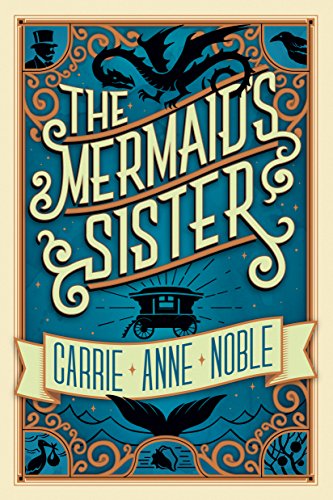
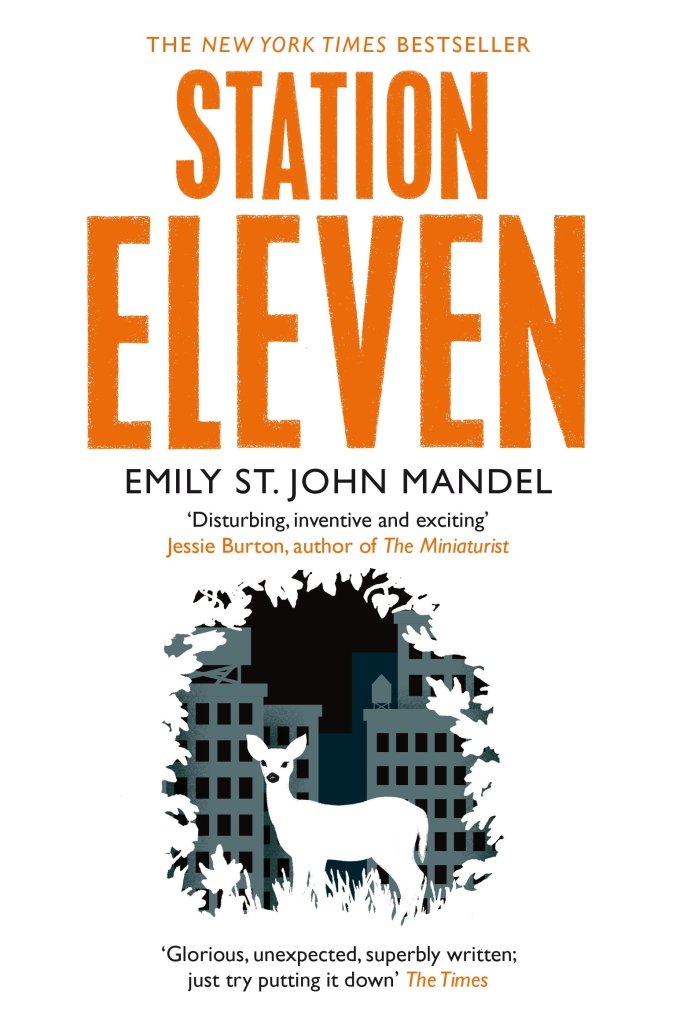

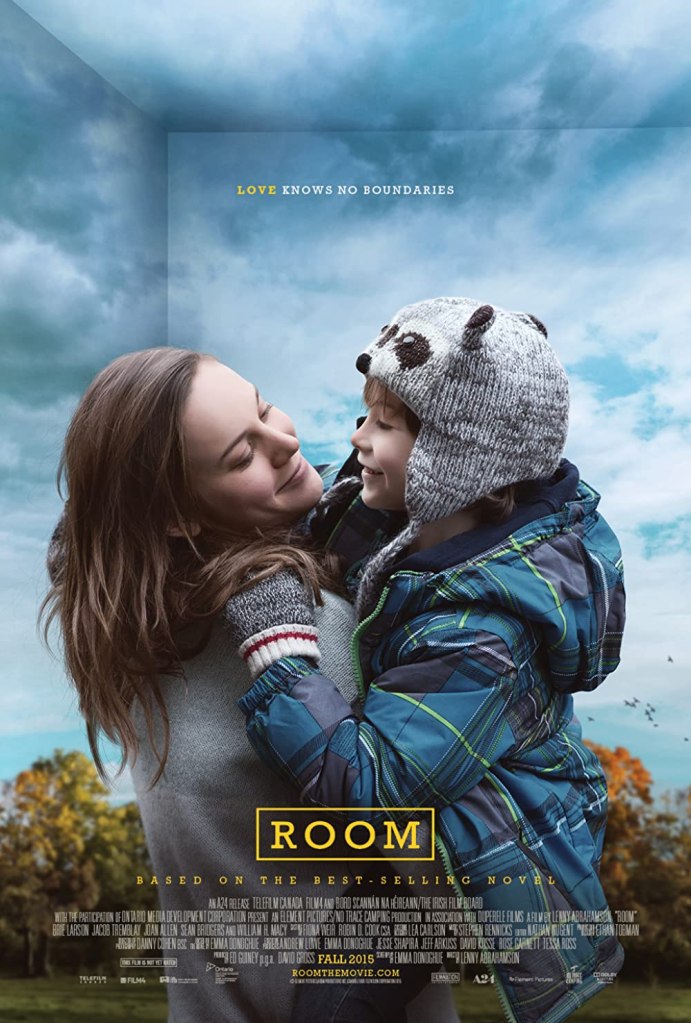
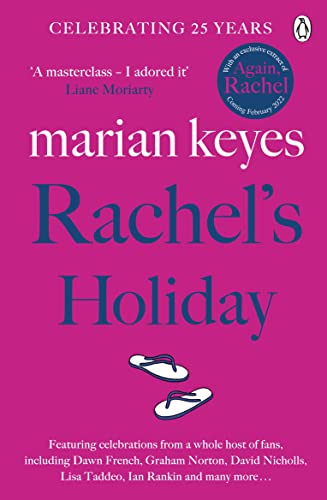

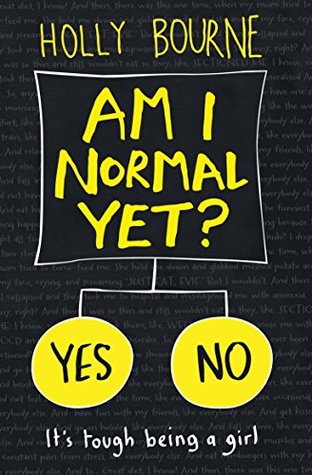
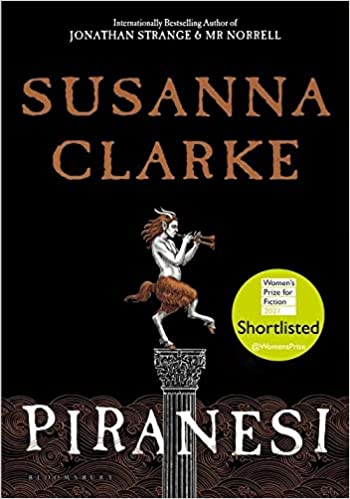






 The Wee Writing Lassie